London accommodation, rethought

A place of
your own.

Grounded creates small, private places to live for people shut out of London's conventional housing market.

We currently operate a small London pilot of around 10 individual caravan homes. We now want to test how the same idea could work on a dedicated, properly established site.

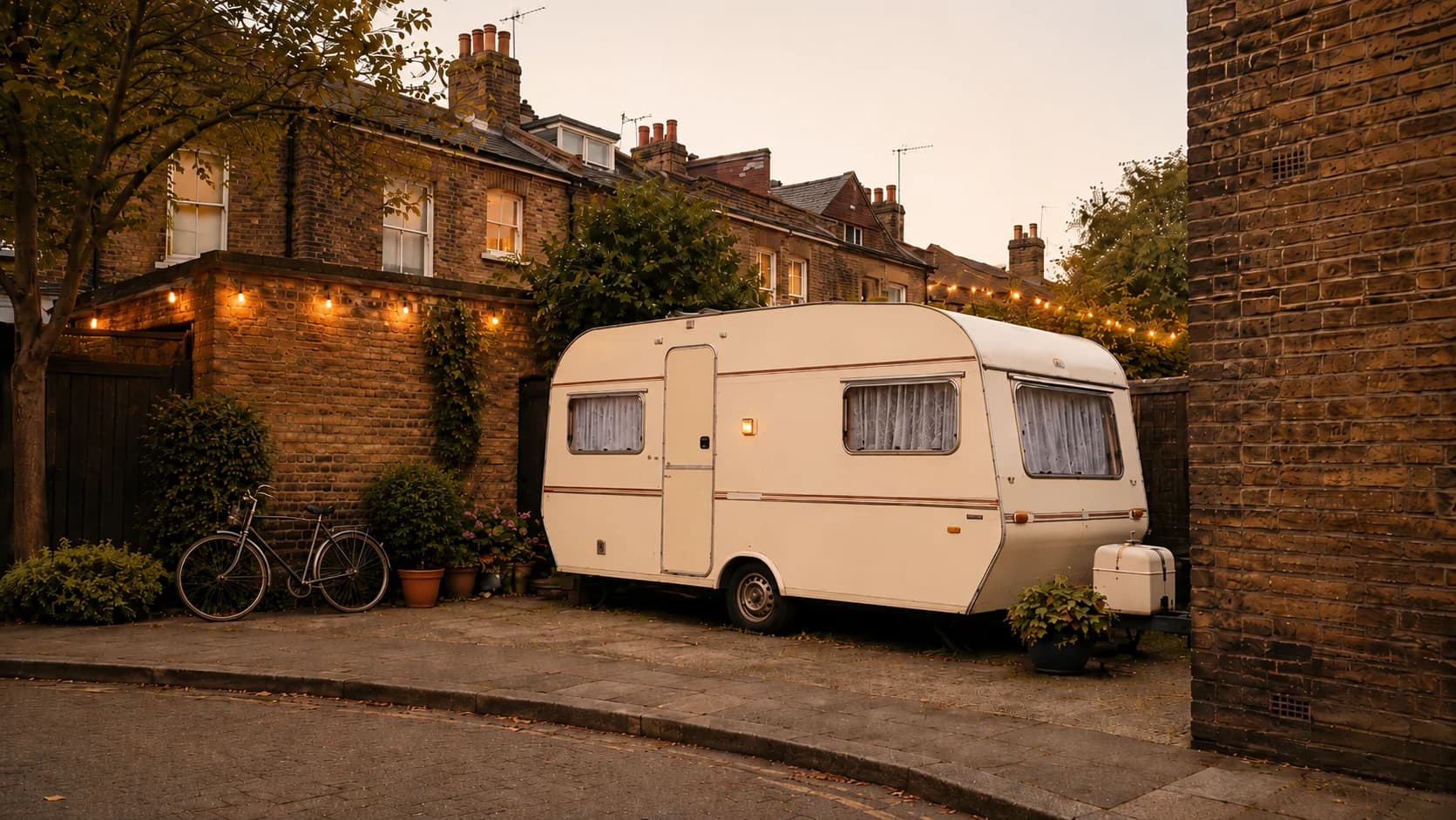
Older well-maintained caravan in an urban London courtyard
01 / LondonIllustrative imagery representing the Grounded model.

~10homes currently
in our London pilot

Some people fall between the housing options that exist.

12,938

people recorded sleeping rough in London in 2025/26

Source: CHAIN Annual Bulletin 2025/26

A shared room or hostel does not work for everyone. At the other end, a private London tenancy can require rent, a deposit, references, credit history and earnings that simply put it out of reach.

Some people can manage a home of their own but cannot access one through the conventional market. They may be working, leaving prison, living on a low income, managing mental-health difficulties or simply trying to rebuild after a difficult period.

Grounded exists in that gap.

Private space first.

Grounded currently uses older, carefully maintained caravans as individual homes.

Each gives a resident something very simple but often missing: a door they can close, a bed, heating, electricity, water and a space that is theirs.

A caravan is not a cure for trauma, addiction, poverty or poor mental health. But privacy, dignity and control over your immediate environment can create a much better starting point from which other things become possible.

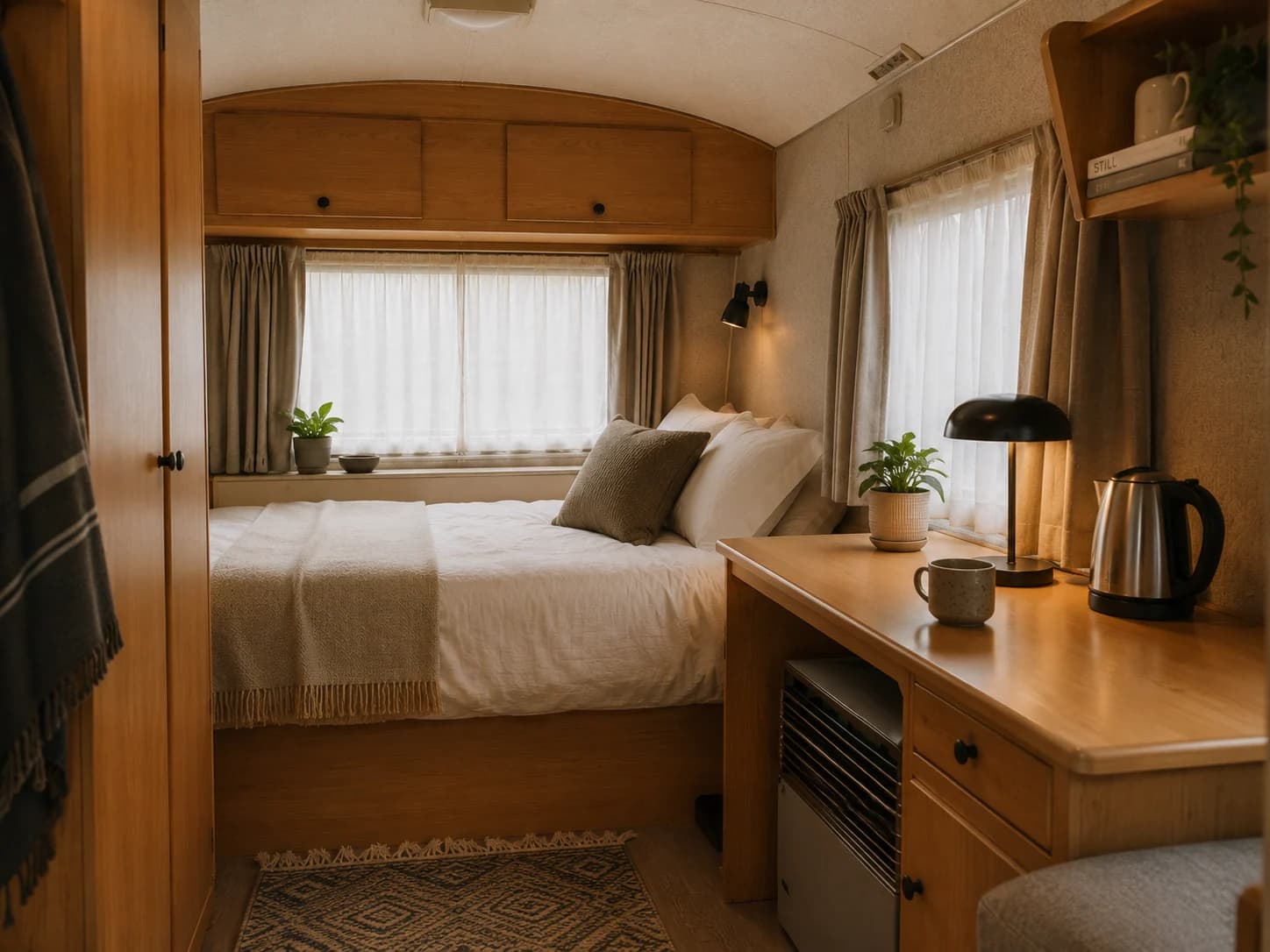
Clean compact interior of an older touring caravan used as a private home
Private, practical, cared for.

The essentials

  1. 01A door that closes
  2. 02Heating & electricity
  3. 03Water
  4. 04Practical human support

Practical support, not promises.

Grounded stays involved: maintaining the accommodation, helping residents settle, solving day-to-day problems and being someone they can speak to. As the model develops, the aim is to work with specialist organisations rather than pretend one small accommodation operator should do everything itself.

Different lives.
The same housing gap.

There is no single “type” of Grounded resident. These anonymised examples show some of the different routes by which people can become shut out of conventional housing.

These examples describe people from the current pilot. They do not define who a future Grounded site would be for.

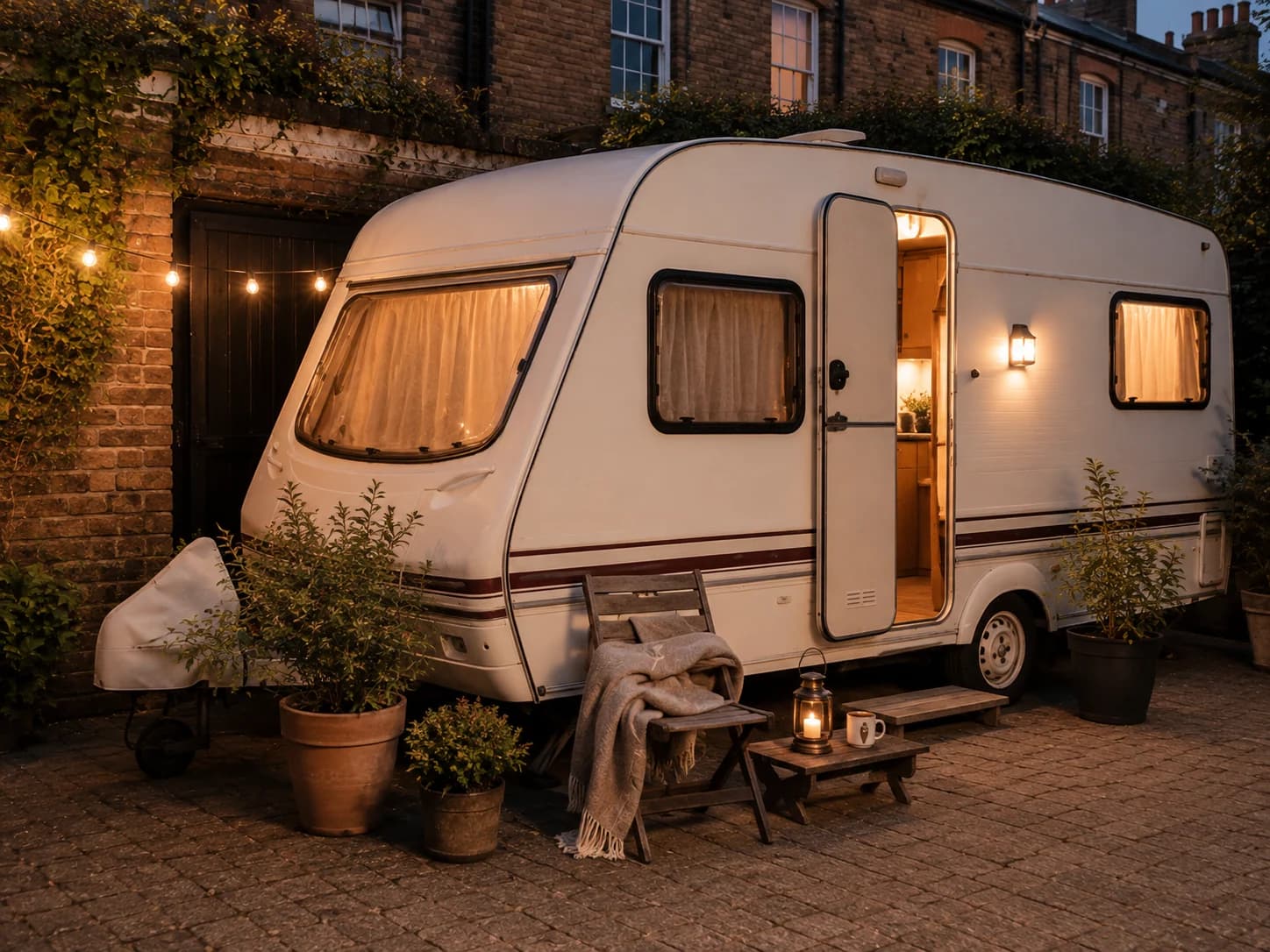
Older caravan with a warm light, chair and mug in a quiet courtyard
A door to close. A place to return to.

01

Johnnie*

After prison, Johnnie experienced homelessness alongside severe mental-health and substance-use problems. Shared accommodation was particularly difficult for him. Grounded gave him something basic but previously missing: a private space of his own.

02

Attila*

Attila works, but health problems reduced his income and left conventional London rents out of reach. His situation is easy to miss: someone in work who nevertheless cannot make the London rental market add up.

03

Romeo*

Romeo works in catering. He could meet regular accommodation costs, but deposit requirements, references and credit checks made entering much of London's private rental market extremely difficult.

04

Joseph*

Joseph lives with serious mental-health difficulties, paranoia and substance-use problems. Sharing accommodation with strangers can be extremely difficult. Having his own space gives him privacy and much greater control over his immediate environment.

* Names changed.

~10

individual caravan homes
in a small London pilot

Small scale. Real homes.

Grounded currently operates a small London pilot of around 10 individual caravan homes.

The homes are not luxury pods or new-build showpieces. They are older caravans kept clean and carefully maintained, used because they offer a relatively fast and low-cost way to give one person a private place of their own.

Starting small lets us learn from real operation: what residents value, what maintenance issues arise, what practical support is useful and what would need to be designed differently on a dedicated site.

We do not pretend the pilot has answered every question. The point of the next stage is to test the model properly.

The pilot is the beginning, not the finished model.

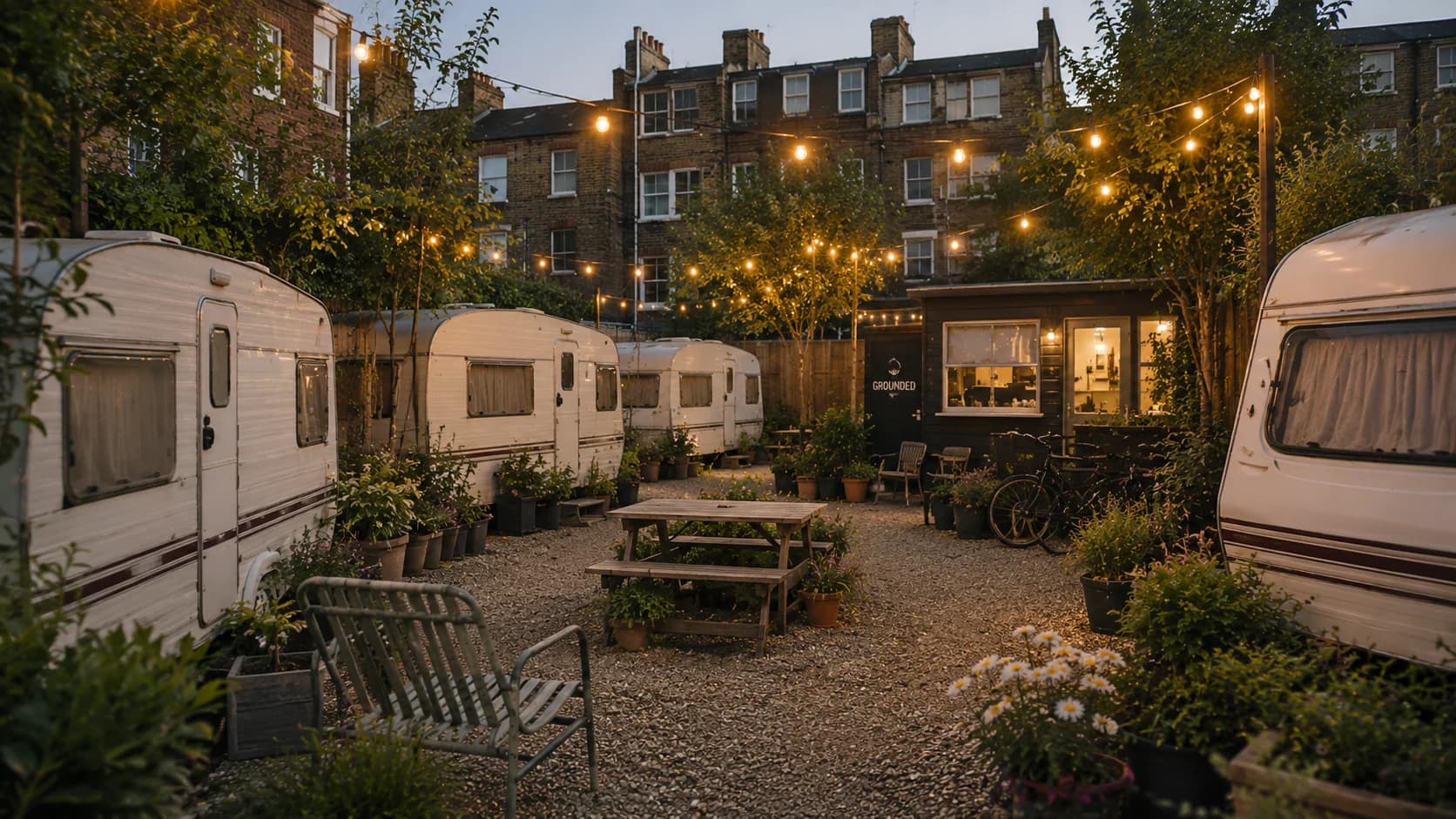
Illustrative concept for a dedicated Grounded caravan site
Future site conceptIllustrative imagery representing the Grounded model — not a current site.

Our next phase is to test whether the same core idea can work on a dedicated site with proper utilities, professional management and the relevant planning, licensing and safety requirements resolved around a real location.

A future Grounded site should preserve the thing that matters most about the pilot — each resident having a space of their own — while improving everything around it.

We are particularly interested in suitable land with a genuine multi-year window before redevelopment. Because caravans are relocatable, a site could potentially provide homes during that period without preventing its long-term use.

Over time, the model could also serve a wider group of people who are not traditionally described as homeless but are nevertheless priced or screened out of conventional rental accommodation.
Direction of travel

  • Individual caravan homes
  • Proper utility connections and site infrastructure
  • Landscaped shared outdoor space without forced communal living
  • A small on-site office or support hub
  • Specialist support, move-on and employment partnerships

FUTURE AMBITION, NOT CURRENT SERVICE.

Help us test the next stage.

Grounded is looking for partners willing to help establish whether a properly managed caravan-housing site could work — and what would need to be true for it to do so.

01

Councils & public bodies

Housing, homelessness, property, regeneration, planning or licensing teams willing to explore whether the model addresses a genuine local housing gap.

The first step is feasibility, not a commitment to land, referrals, funding or commissioning.

02

Landowners & developers

Public or private organisations with suitable land — particularly sites with a genuine multi-year window before redevelopment — willing to explore whether a temporary residential use could work.

03

Charities & specialist organisations

Organisations with expertise in housing, mental health, safeguarding, employment, benefits or move-on that could help shape the parts of the service Grounded should not try to deliver alone.

04

Funders & practical partners

People and organisations with expertise in planning, caravan or mobile-home sites, utilities, site design, property, legal work, evaluation, funding or social investment.

The first step is a conversation about feasibility — not an approval, commitment or commission.

Talk to Grounded

Why the unusual company name?

Grounded is operated by MATE ROBBINS ROHN INVESTMENTS LTD, named after Gabor Mate, Tony Robbins and Jim Rohn. They represent three ideas that shape how we think about this work: understanding trauma rather than simply judging behaviour; believing that circumstances can change; and recognising the role that personal agency, purpose and opportunity can play in rebuilding a life.

Grounded starts one level earlier: a private place of your own from which to begin.

MATE ROBBINS ROHN INVESTMENTS LTD and Grounded are not affiliated with or endorsed by Gabor Mate, Tony Robbins, Jim Rohn or their respective organisations or estates.

Build with us.

If you work in housing, local government, land, planning, homelessness, support services or have something practical that could move the idea forward, get in touch.

Start a conversation

Partnership enquiries

Let's build something useful.

Tell us who you are and how you might be able to help move the Grounded model forward.

We will use these details only to respond to your enquiry.